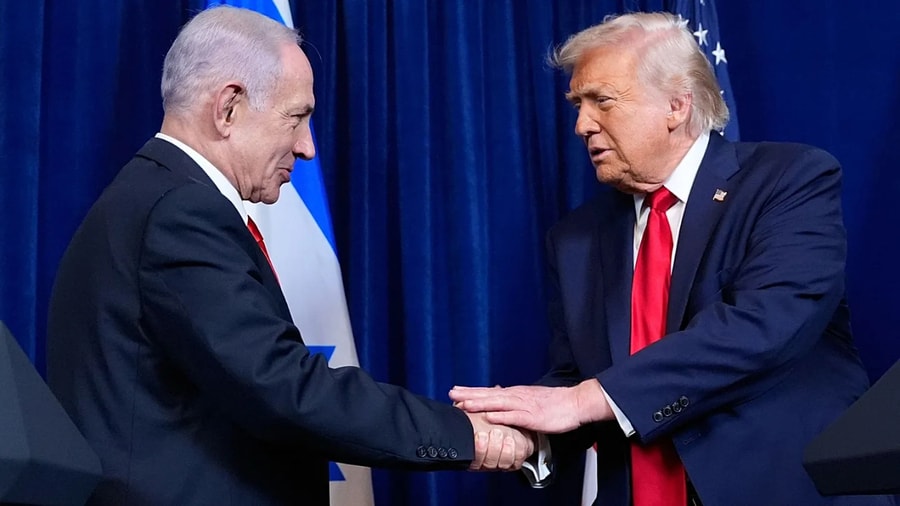
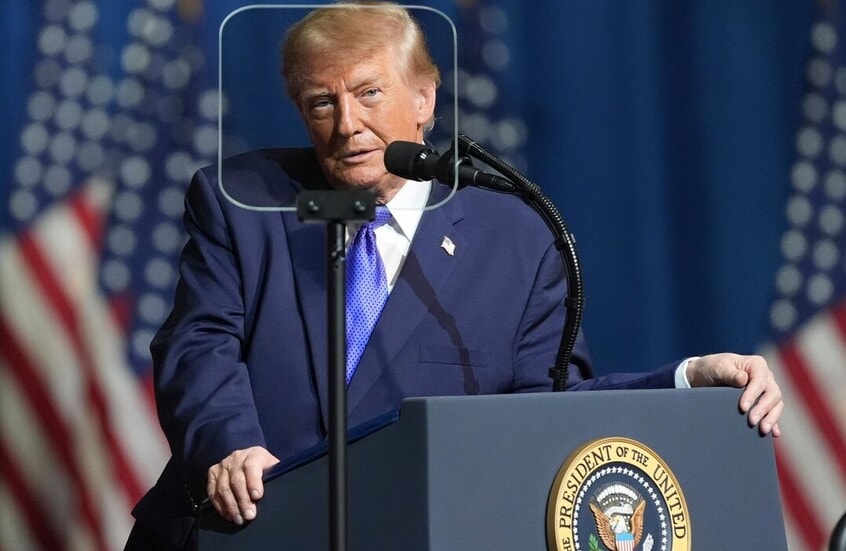

Under the original schedule, Trump was due to attend two public rallies—on Saturday in Kansas and on Sunday in Iowa. However, the Republican National Committee announced Thursday evening that, instead of appearing in person, it would launch a fast-paced 72-hour telephone campaign. The move is intended to reach the largest possible number of voters nationwide, with the electronic and phone-based activities expected to cover nearly 20 states.
Meanwhile, on Thursday, Trump visited South Carolina for the second time in a month—an indication of Republicans’ deep concern over the growing strength of Democratic candidate Annie Andrews in the race for the state’s decisive Senate seat. No Democrat from South Carolina has reached the Senate in nearly three decades.
As voters express concern over economic problems, rising fuel prices and the repercussions of war, the Republican Party finds itself on the defensive—even in areas where it had consolidated a strong position in recent years. In the final days of the election campaign, Republicans faced tight and complicated contests in Texas, Kansas, Ohio, Iowa and Alaska, while attention also focused on possible changes to the Senate seat in Mississippi.