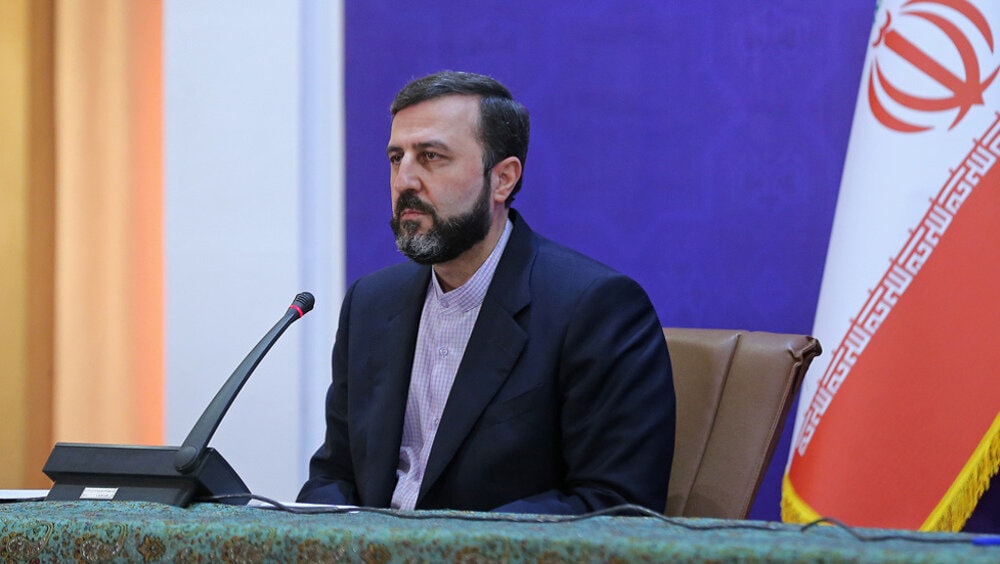
On Monday, November 16, 2026, Kazem Gharibabadi, Iran’s deputy foreign minister for legal and international affairs, said in an interview with his country’s state television, broadcast on Sunday evening: "In its response to Iran’s proposal, the United States has postponed implementing some of its conditions until later stages. This means that, under the current circumstances, no understanding can be reached."
Gharibabadi also said that the United States had proved it was untrustworthy, stating: "Above all, the United States must provide the necessary guarantees that all of Iran’s conditions will be implemented." He also disclosed that Iran’s planned opening of the Strait of Hormuz had been reduced from seven days to two.
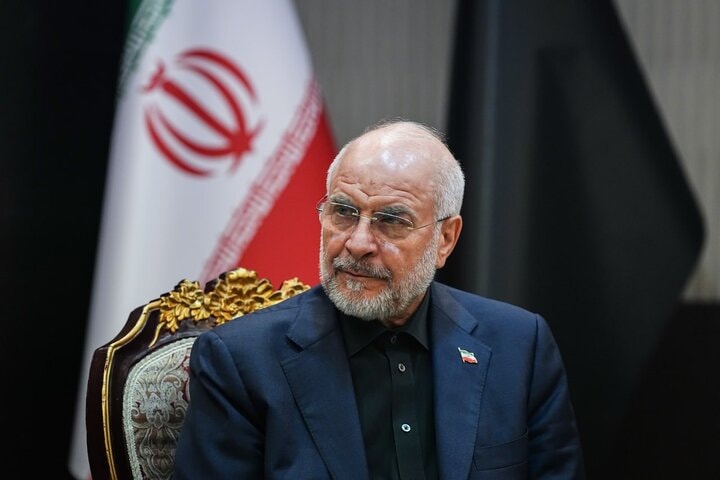
The remarks came after Mohammad Bagher Ghalibaf, speaker of Iran’s parliament, reiterated his country’s seven-point conditions and stressed that Tehran would not remain in a state of neither war nor peace.
Last month, Iran submitted a revised proposal to reopen the Strait of Hormuz to international shipping. It called for the lifting of the US maritime blockade on Iranian ports, the removal of sanctions, a halt to the war on all fronts, the release of Iran’s frozen funds abroad, the payment of war reparations by the United States and Israel, the provision of security guarantees, and recognition of the joint administration of the Strait of Hormuz by Iran and Oman. However, the United States has so far rejected some or all of these conditions and continues to impose a maritime blockade and pursue a policy of "economic strangulation" against Iran.