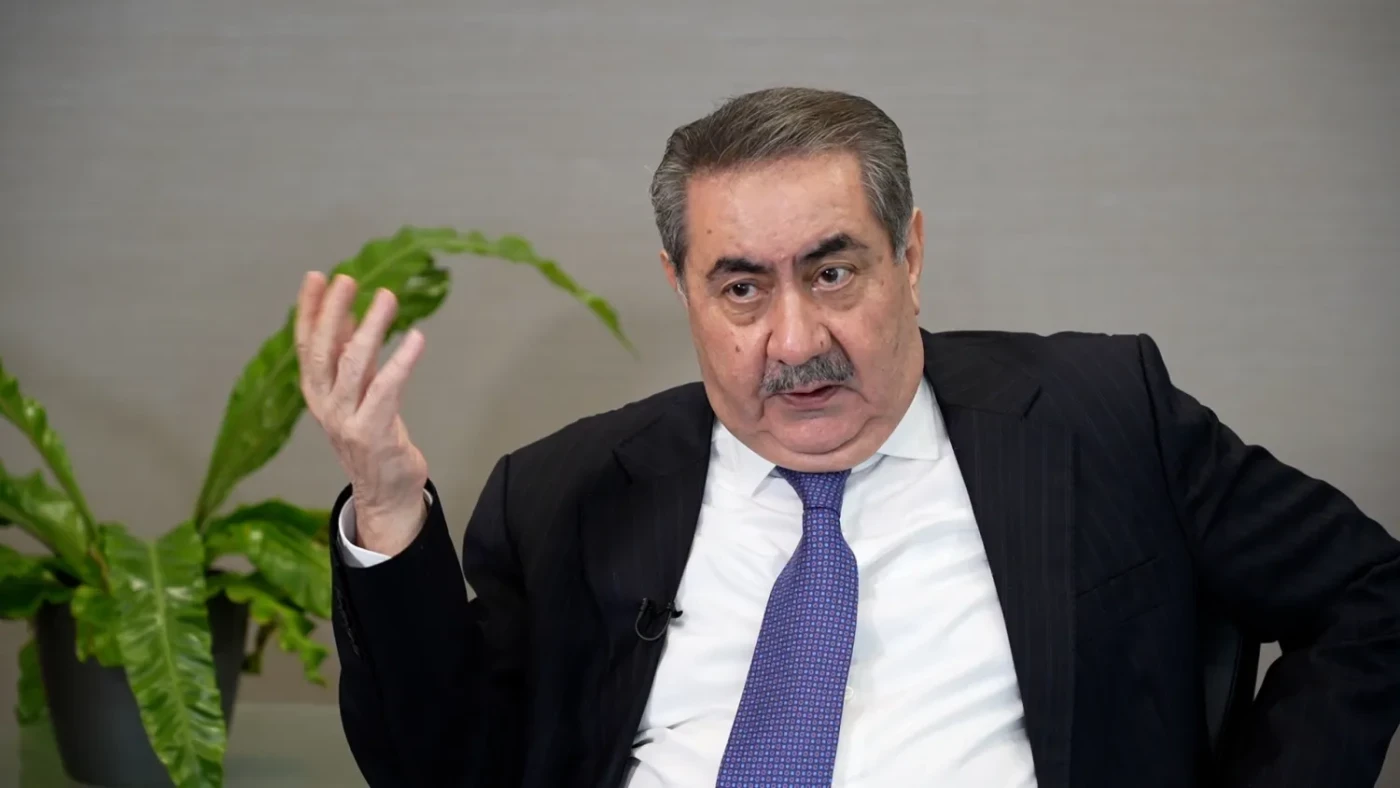
In an exclusive interview with UTV last night, Hoshyar Zebari, a member of the Executive Board of the Political Bureau and head of the Kurdistan Democratic Party’s leadership center in Baghdad, revealed new details about the situation in Baghdad and the Kurdistan Region. Zebari strongly criticized the Federal Court for resolving seven constitutional cases "quickly," while also disclosing that, through the mediation of Faiq Zidan and the involvement of the United States and regional countries, a major effort is underway to convene a national meeting.
Amid the Federal Court’s rapid rulings and domestic and international efforts, Hoshyar Zebari, a member of the Executive Board of the Political Bureau and head of the Kurdistan Democratic Party’s leadership center in Baghdad, revealed new details during a television interview with UTV and strongly criticized the way the Supreme Federal Court operates. Zebari said the court had resolved and interpreted seven constitutional cases in a single session and "quickly," even though consideration of those cases had been delayed for 20 years. In his view, presenting the seven cases at 8 a.m. and issuing rulings on them that same afternoon was an unusual precedent incompatible with the principles of legal deliberation. At the same time, he said, the interpretation undermines the "precedent principle" governing shared authorities and gives sole dominance to the powers of the federal government, without taking into account the constitutional rights and competencies of the Kurdistan Region.
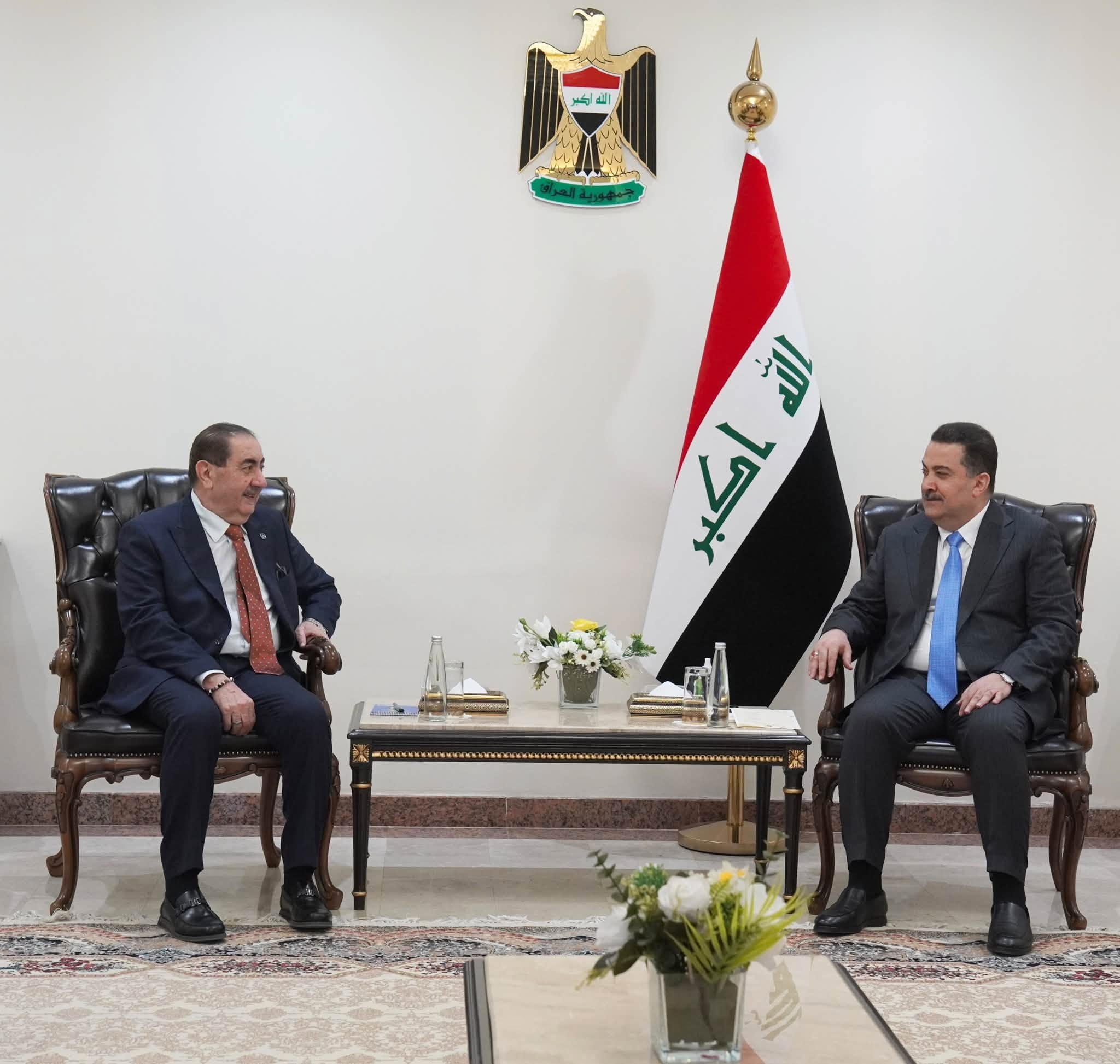
Despite these legal tensions, Zebari revealed the existence of a "very major" political movement in Baghdad, with Faiq Zidan, president of the Supreme Judicial Council, at the center of mediation efforts to ease the situation. Meanwhile, the United States, Turkey, Iran and several Arab countries are actively seeking a way forward. Within this framework, Zebari disclosed that a proposal is being considered to convene a "large national meeting" involving Zaydi, Faiq Zidan, the Kurdistan Democratic Party, the Patriotic Union of Kurdistan, leaders of the Coordination Framework and Sunni leaders, with the aim of ending the crisis within the framework of the Constitution. He stressed that they do not want to escalate the situation in Baghdad and that avenues for a solution remain open.
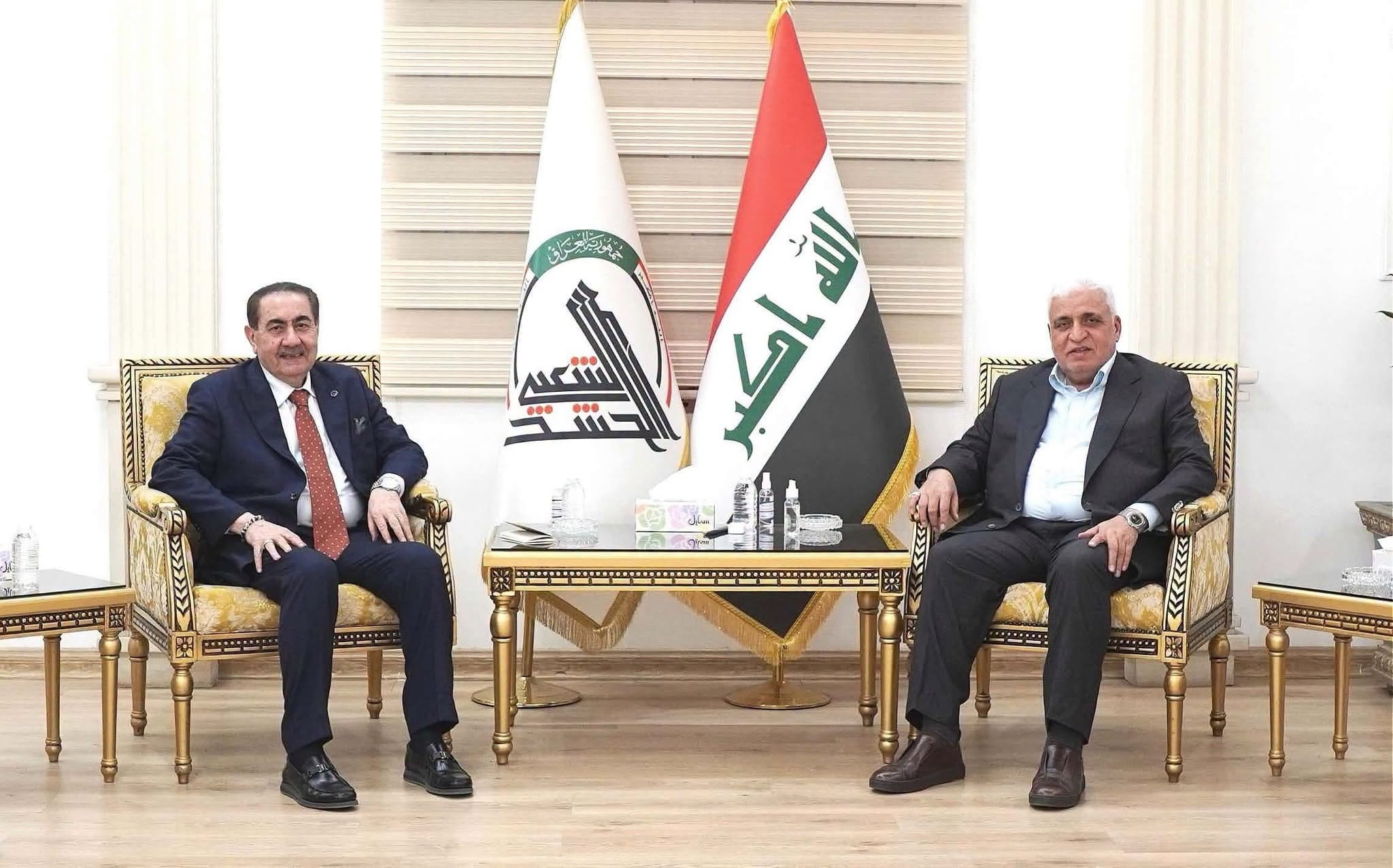
In another part of his remarks, Hoshyar Zebari expressed a different position toward "Zaydi," saying they had supported the prime minister on the issues of disarming armed groups, confronting corruption and preventing oil smuggling, and had no doubts about Zaydi. Zebari explicitly reiterated that, through their dealings with him, they had seen no sectarian or racist agenda on Zaydi’s part. However, he stressed that those cases must not be used as a pretext to attack the constitutional entity of the Kurdistan Region. He also expressed surprise that the situation had reached this point, particularly since Faleh al-Fayyad had previously visited them as a representative and they had discussed most of the issues.
All eyes are now on the outcome of Baghdad’s intense late-night meetings. The central question is whether Faiq Zidan’s mediation and regional and international pressure can overcome the repercussions of the Federal Court’s "lightning" rulings and open the way for the major national meeting to pursue a constitutional solution—or whether Iraq and the Kurdistan Region are entering a new phase of political and legal tension.