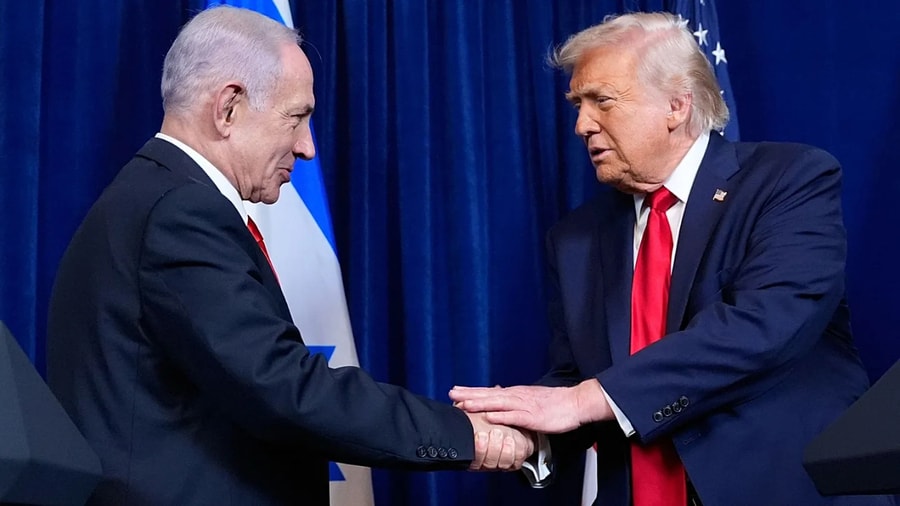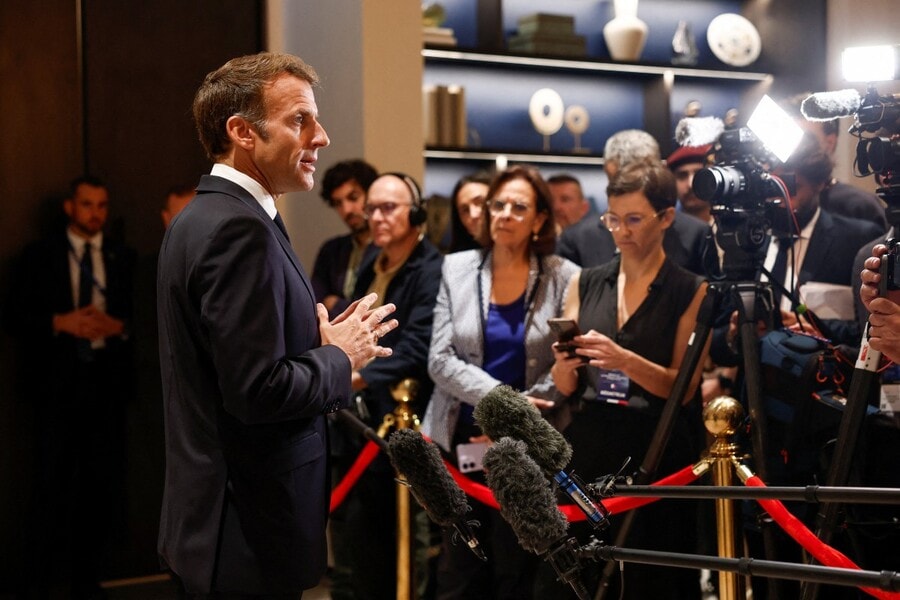
The High Elections Commission is scheduled to announce the final results next Wednesday, allowing consultations on recommending a prime minister to begin. This follows the publication of preliminary results on October 29, 2026, which showed that neither of the two main blocs had secured the 61 seats needed to form a government.
Seat distribution and turnout:
Benjamin Netanyahu’s bloc (the right wing): 53 seats.
The opposition bloc, led by Gadi Eisenkot: 48 seats.
Arab parties: 19 seats (a historic record).
Voter turnout stood at 77.7%, the highest rate recorded since 1999.
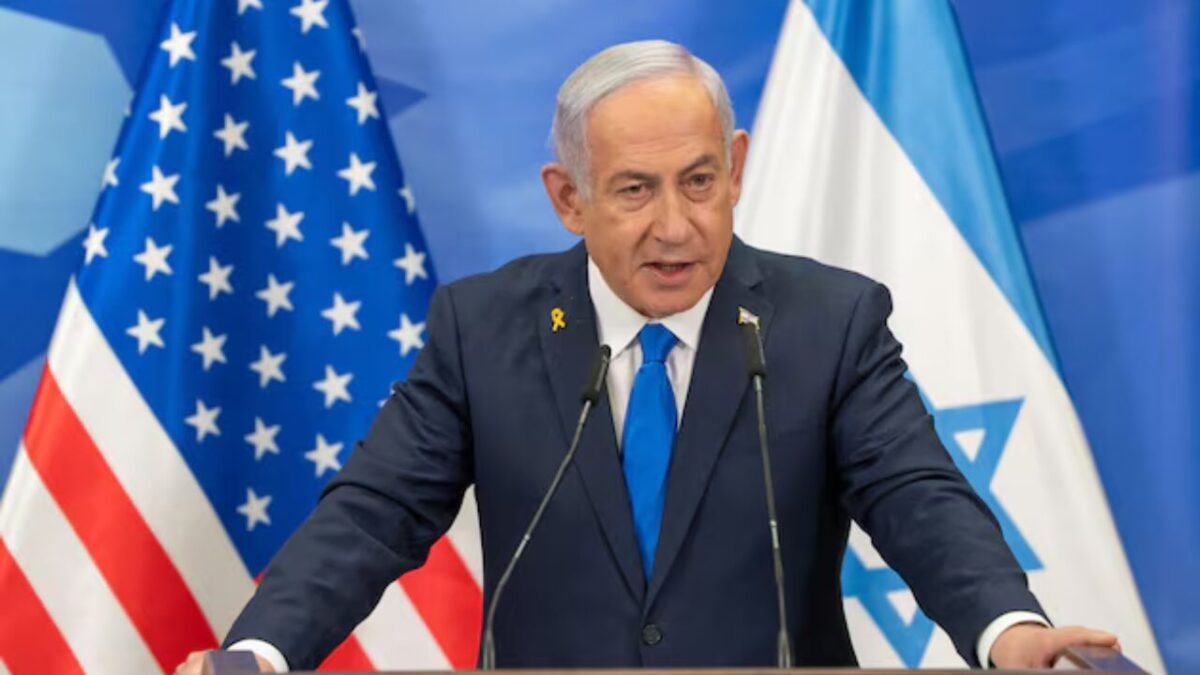
Having lost its parliamentary majority, Netanyahu and his Likud party have launched a fierce attack, claiming that the election was “stolen.” In a statement, Likud accused the Arab party of “stealing the election,” while Netanyahu described the case on the social media platform “X” as the “Ra’amgate” affair. At the same time, Netanyahu’s bloc accused Qatar and Turkey of sending millions of dollars in illegal financial support to mobilize Arab voters, in order to increase turnout among them and bring down the right-wing bloc. Netanyahu described the move as “an attempt to Islamize Israel and surrender in the face of Iran.”
In response, the elections commission and Israeli police rejected any claims of systematic fraud and stressed the integrity and democratic conduct of the process. The Shin Bet, Israel’s domestic security agency, said it had begun investigating suspected foreign interference at the request of Noam Solberg, a judge and chairman of the commission. However, it stressed that the investigation in no way casts doubt on the legal and democratic right of Arab citizens who cast their votes.
Meanwhile, opposition leader Gadi Eisenkot accused Netanyahu of launching a campaign to undermine the will of voters in an effort to conceal his own defeat. Mansour Abbas, leader of the United Arab List (Ra’am), and Arab leaders described the accusations as “racist lies” intended to frighten the opposition away from forming an alliance with them. Qatar’s Foreign Ministry, for its part, categorically rejected Likud’s allegations, calling them a “laughable, dangerous and misleading domestic narrative.”