Last month, US President Donald Trump eased formal sanctions on Russian crude oil as part of an agreement with Russian President Vladimir Putin to directly deliver hundreds of thousands of tonnes of diesel to the United States—a deal that drew strong opposition and criticism from Ukraine and European countries.
The Financial Times had reported that two of the three vessels that departed Russia’s Primorsk port in mid-October had changed their course and were no longer heading toward the United States.
Kirill Dmitriev, a Kremlin representative and negotiator, rejected the report on the social media platform “X,” writing: “It is a lie. The vessels bound for the United States are still continuing along their route.”
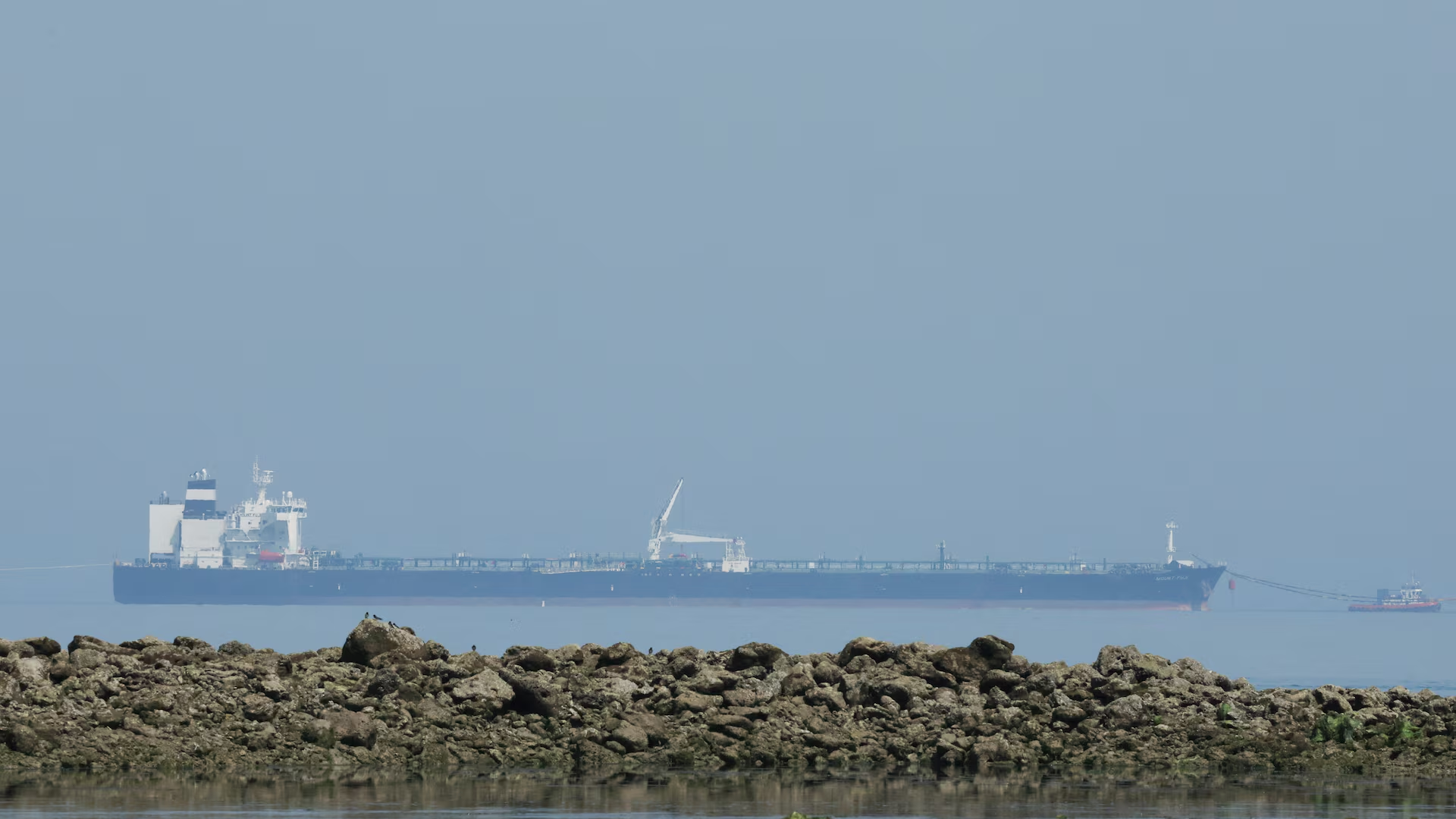
According to data from the maritime-tracking website “MarineTraffic,” the vessel Talisman, one of the ships, was spotted on Thursday off Somalia and the Tunisian coast. After passing the English Channel on October 29, it changed course southward, passing through the Bay of Biscay and along the Portuguese coast before entering the Mediterranean through the Strait of Gibraltar.
Although it was scheduled to reach the US East Coast on November 9, analytics firm “Kpler” indicated that the vessel has not currently listed a port of call and is carrying 324,000 barrels of diesel. Meanwhile, the vessel Lyrio is heading toward Brazil and sailing in the southwestern Atlantic.
As for the third vessel, Kpler data still lists New York City as its destination, and it is expected to reach its target on Saturday.
Asked about the reports, Kremlin spokesman Dmitry Peskov said details of the maritime cargoes were “commercial” and could not be disclosed, stressing that “all the diesel will find its buyer.”