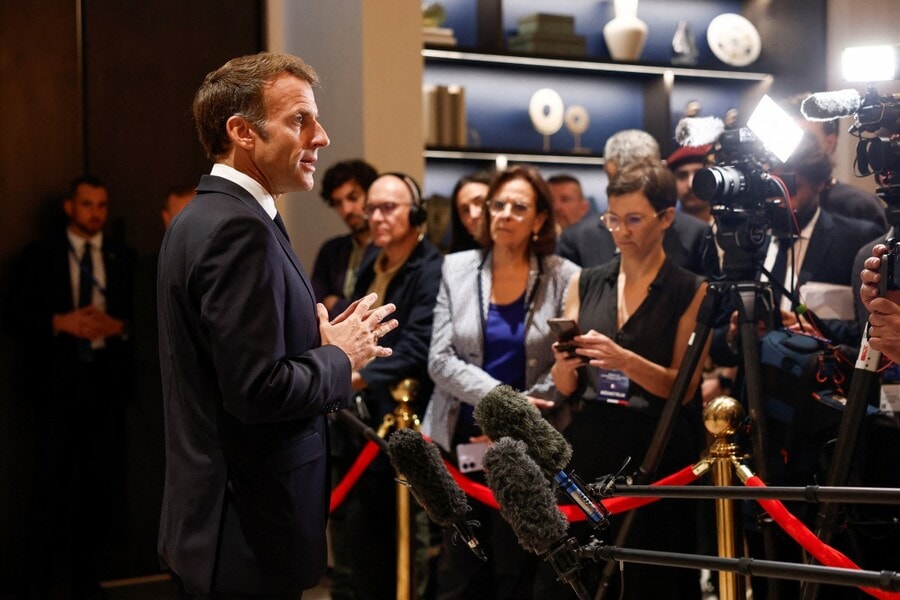
French President Emmanuel Macron admitted that his country’s authorities were in no way prepared to confront the widespread unrest and tension that shook France in 17 October, even as the wave of protests has continued since mid-September.
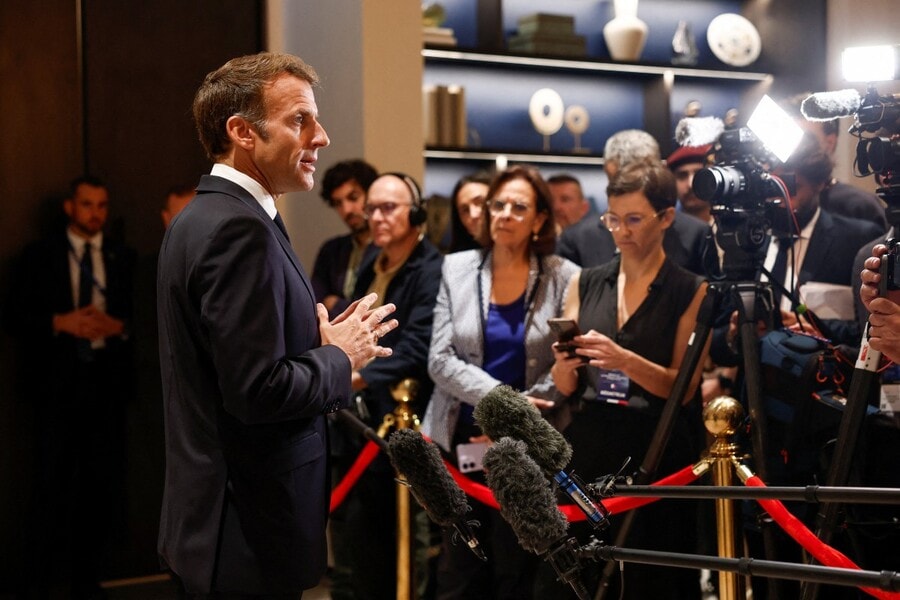
During a visit to the city of Marseille, Macron said: “On 17 October, sufficient security forces were available neither in Marseille nor in other cities, because we had not fully anticipated such a situation.”
According to figures from France’s Interior Ministry, the country’s largest nationwide march since the start of the protests was held that day, with around 550 thousand people taking part.
The protests then descended into unprecedented violence, looting and unrest; in several cities, masked groups clashed with police, damaging around 3 thousand sites and commercial centers, while more than 1,000 police, gendarmerie and firefighting personnel were injured.
In response, security forces used tear gas, stun grenades and water cannon to disperse protesters and arrested hundreds of people; at the same time, authorities imposed martial law and curfews in several major cities, including Paris, Lille, Lyon, Marseille and Nice.
The wave, considered one of France’s most serious periods of unrest in recent years, has confronted Macron with a deep crisis in the final months of his term. The protests initially began in mid-September, led by high school students in the suburbs of Paris seeking improvements in school conditions, but people protesting rising prices later joined them, and the unrest quickly spread across France.