In a new report, the International Monetary Fund raised its forecast for global economic growth in 2026 to 3.1 percent, driven by growth in the artificial-intelligence sector in advanced countries, but warned of the consequences of war and the energy crisis for low-income countries.
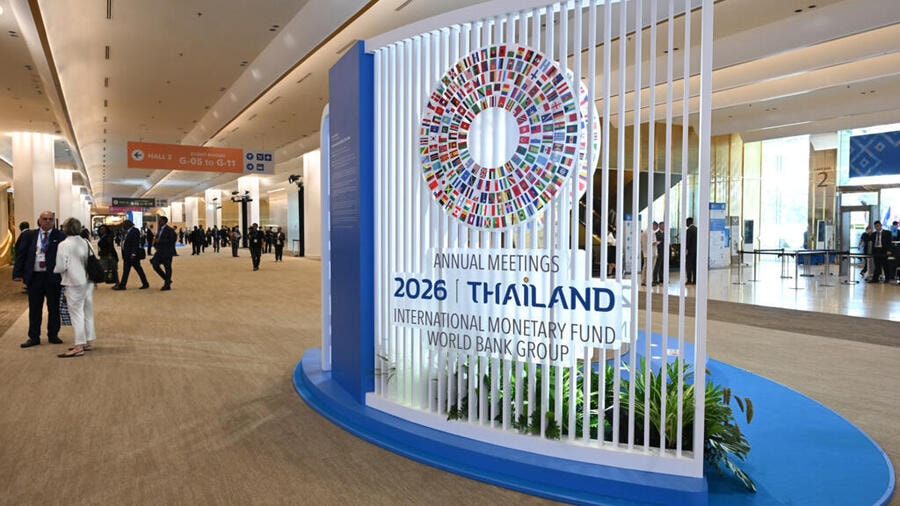
Today, Tuesday, 13 October 2026, during the annual meetings of the International Monetary Fund and the World Bank in Bangkok, the IMF, in its “World Economic Outlook” report, raised its forecasts for global economic growth in 2026 to 3.1 percent. This figure is 0.1 percent higher than previous estimates, while economic growth in 2025 stood at 3.5 percent.
The report said that the difference in economic growth stemmed from two main factors: the US war against Iran, which has led to higher energy prices and put pressure on importing countries, and, on the other hand, increased investment in artificial intelligence, which has supported the economies of advanced countries. At the same time, it warned of a widening gap between countries benefiting from artificial intelligence and low-income countries struggling with supply crises and rising energy costs.
The IMF expects the economies of Middle Eastern and Central Asian countries in 2026 to experience contraction and decline of 0.3 percent due to the consequences of war and disruptions in the energy and transport sectors. Growth in advanced countries is also expected to reach 2.1 percent, particularly in countries connected to the artificial-intelligence supply chain, such as Taiwan and South Korea. Meanwhile, economic growth in China, the world’s second-largest economy, will slow due to weak domestic demand.
As for rates, global inflation is expected to reach 2026 4.7 percent. At the same time, because of rising public debt, the IMF called on governments to limit their spending and borrow cautiously, particularly as emerging countries face the most difficult challenges because of high energy costs.
At the end of the report, “Deniz Egan,” head of the IMF’s Global Economic Research Department, said that the resilience of the global economy was nearing its end and that the next stage would require moving from resisting shocks to rebuilding financial reserves and strengthening productive capacity.