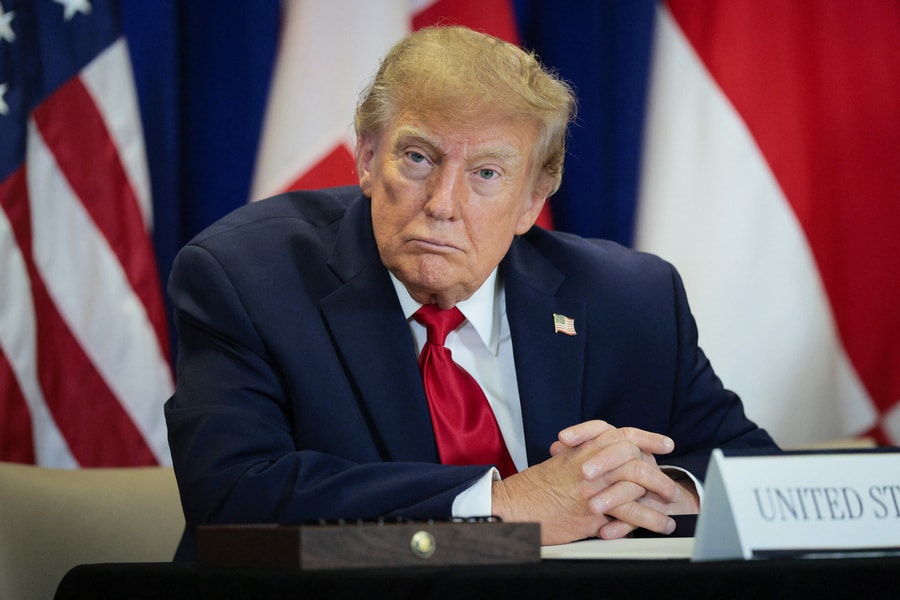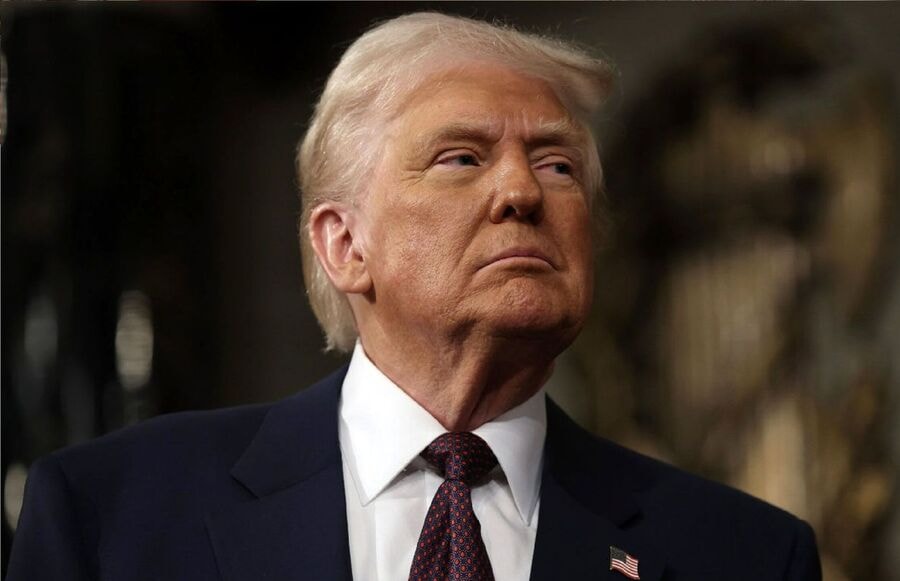
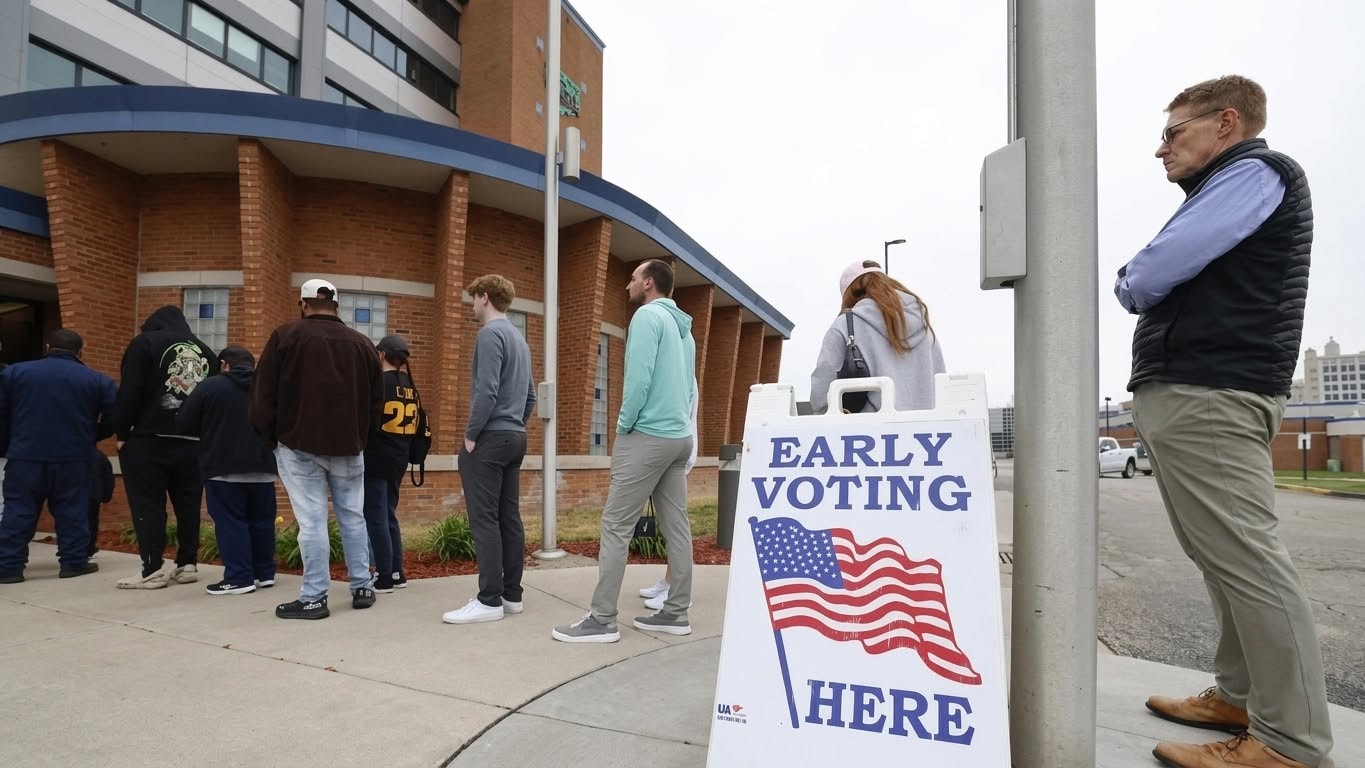
Polls and early indicators suggest Democrats could regain control of one or both chambers of Congress. Winning a majority in the House of Representatives would give Democrats significant leverage over federal budget matters, while a Republican loss of its majority—two years before the end of Trump’s presidential term—would hinder and stall his legislative agenda in the White House.
In today’s elections, candidates are competing for all 435 seats in the House of Representatives and 35 of the Senate’s 100 seats. In parallel, the offices of governor in 36 states are also being decided. Based on the electoral arithmetic, Democrats need to win just three House seats and four Senate seats to wrest control of both chambers from Republicans.
Although Trump promised at the start of his second term to lower prices and revive the economy, inflation, the imposition of tariffs and rising fuel prices caused by conflicts in the Middle East have placed significant financial pressure on American household budgets. This has made today’s election contest more difficult for the Republican Party.